Cleaning Out, Part II
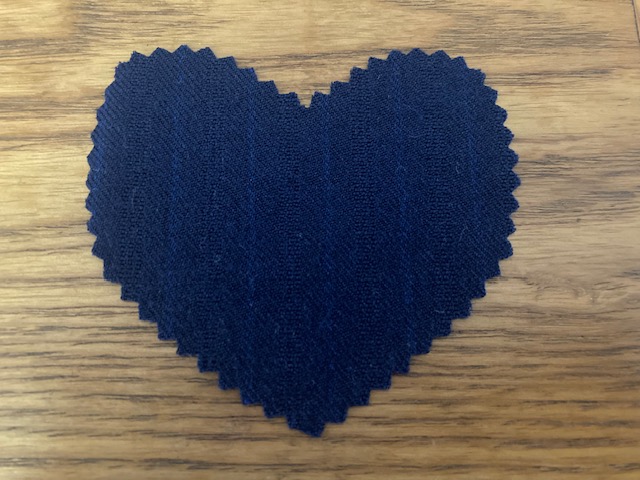
I cut three hearts out of the dark blue fabric, one for myself and one for each of my sisters. I avoided the slightly dusty spots, the kind of spots that can come from kneeling in the soil. I threw away the rest of the sleeve. Such an easy thing to do—lift my hand, hold it over the trash can, loosen my fingers, let it go.
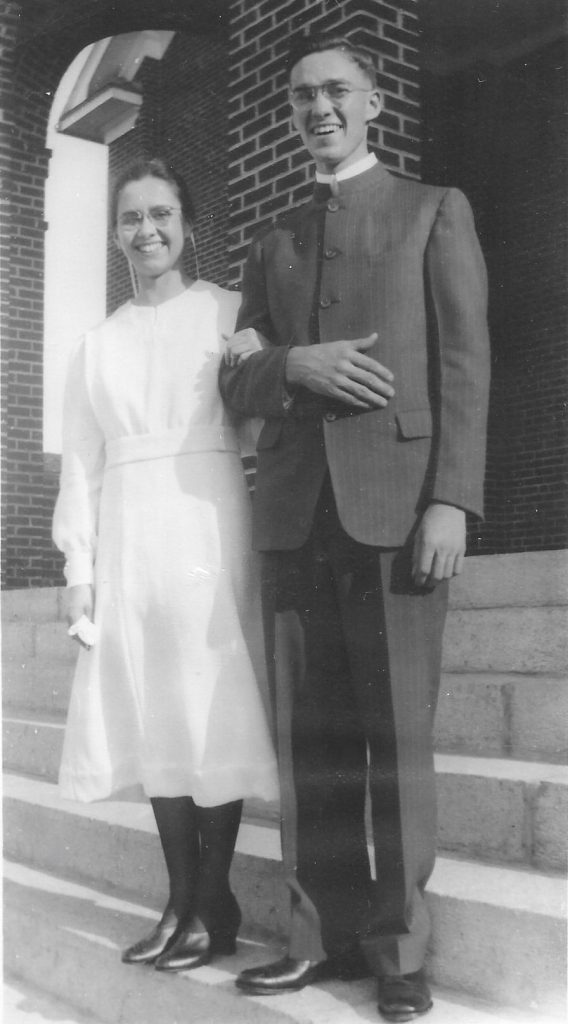
So hard. This was my father’s wedding suit, worn in the smiling pictures on a long-ago day in May. It was most likely the only good suit he owned. The fabric had fine, lighter blue stripes, barely visible from any distance. Some of the lines looked almost silver. Had spots been pressed with a too-hot iron? Depending on the place I chose to cut, it looked like two different fabrics.
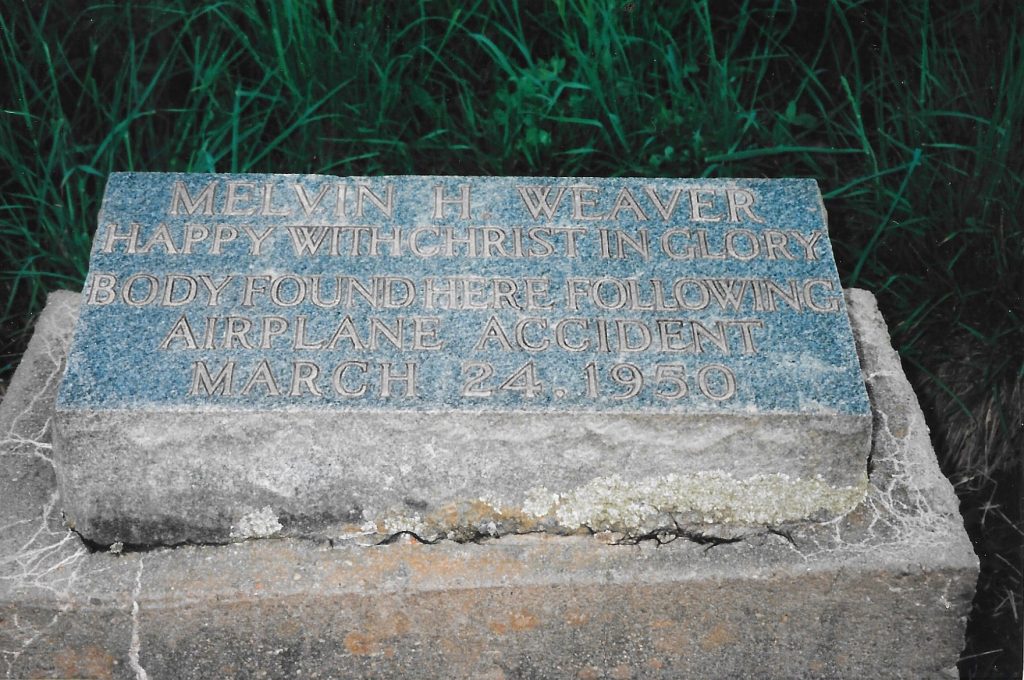
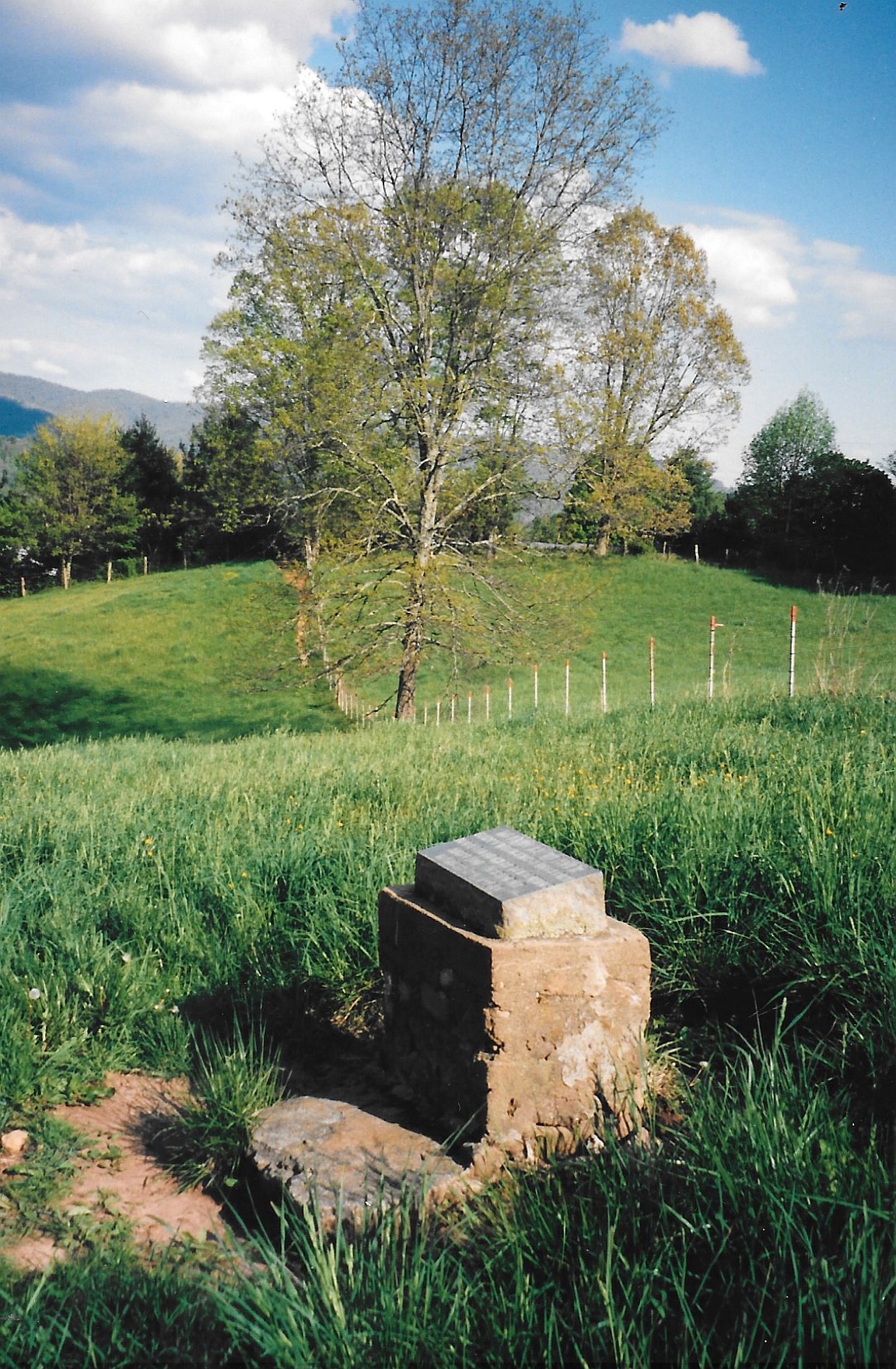
In a sense it was two different fabrics. The sleeve was not complete, hadn’t been neatly ripped away at the seam but cut in a slightly jerrymandered way. I wonder who cut it? Probably not my mother. Holding it weighed me down, created a black hole in my center that wanted to suck me in. This was not just Papa’s wedding suit. It was his shroud, the faint traces of dirt from a Tennessee hillside.
“I heard the roar of a plane,” the March, 1950 newspaper reported a witness saying, “and then saw the ship flying at a high rate of speed, and apparently out of control. Going west at first, the plane then turned quickly and headed back in the direction from which it came. It then started spinning and nosed down – then it started to climb. There was a loud noise like an explosion and three black objects appeared to have been flung from the plane.” the newspaper reported. (Quincy Brown quoted in the “Bristol Herald Courier”) This sleeve had been part of one of those black objects, my father’s body.
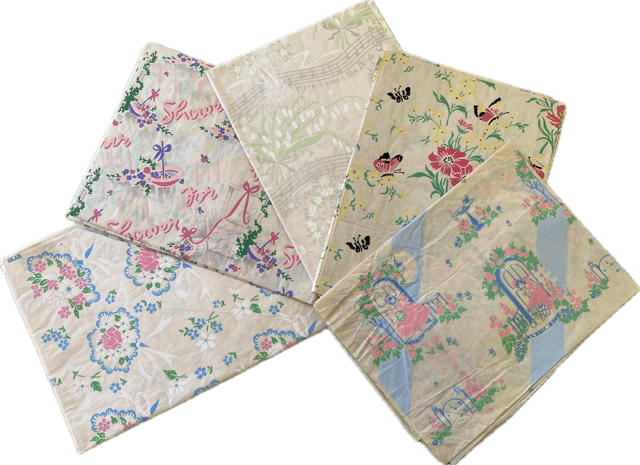
Last summer I opened the file box holding various bits of memorabilia from my parents’ lives. My daughter-in-law sat caressing the sleeve on her lap as I emptied the box. I couldn’t get beyond that sleeve however. The brightly colored wrapping paper from shower and wedding gifts, diplomas and certificates of honors were not enough to spur me to action—to clean out the box and disperse its contents. I packed it up again and put it away. It weighed too much.
But some day I will move, I know, and don’t want to leave my life for someone else to clean up. I steeled myself to once again face the past. I first sorted through boxes of old pictures and papers from my mother’s and grandparents’ lives, slimming down my collection. Not a hard job, but then I had to face this, the last of the boxes. I went into full efficiency mode, the only way I knew to do it, and dug in.
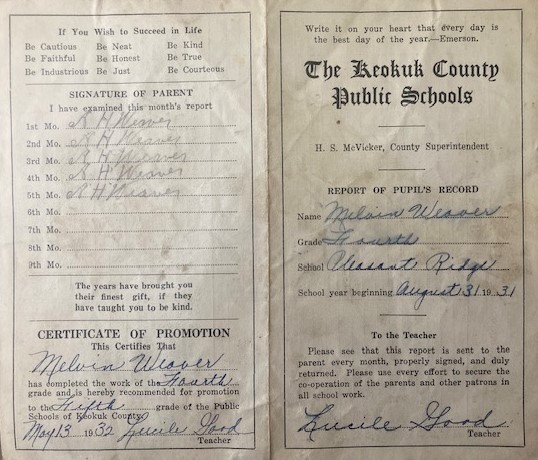
It is empty now. My father’s report cards from elementary and high school, which I didn’t know I had, are safely stowed in plastic sleeves in a notebook. Old greeting cards, wedding invitations, post cards from Mother’s friends—gone. Mother’s travel journals are set aside to read or skim and her account books to comb for interesting details before discarding. No one in the next generation will want them and I may be the only one interested enough now to see what I can learn from them.
My collection is slimmer, leaner, lighter, and my feelings match except for that sleeve. I’m playing dodgeball with a headache. I’m not surprised. Facing that particular past always takes me by surprise—the impact it still has after 76 years. Each time I face it though, I like to think I can lay a small piece of it to rest. The fabric hearts remain. They make me smile. The arm in that sleeve held me many times, and I surely rubbed against the fabric, feeling completely safe and at peace. That too is part of the past, a part I hope to hold forever.

Wonderful remembrance, Kathie. I learned to know you about a year after your father’s death. I remember you talking about Papa in Sunday school class. We am wonderfully cleared of all unnecessary things. We had sale today at our house. Good feeling.
I don’t remember when we first met, but I remember going to your house to play. I just emailed you asking about your new place and am eager to hear more. In the meantime, I keep thinking about things to let go of–part of the task of aging. I hope I can do it as gracefully as you do!
Hi Kathy.
I found this so moving as I compared your experience
with my own. Different, but similar in some ways.
I will always remember you with love and kind thoughts.
Thanks, Heather. I’d love to hear about your experience–by email if this seems too public. I’m sorry that our paths don’t seem to cross. Do you ever come up this way? If so, I’d lovee to see you. I enjoyed the times we were together.
Kathie, this is a very moving story. I’ve heard about your father’s death, but I never knew his first name.
Your parents look so young and so happy in their wedding photo.
What you did in going through that memorbelia took courage, and what a gift.
Thank you Saloma. I’ve had this coat sleeve buried in what my mother saved ever since she died (1997), and it has taken me this long to deal with it–almost 30 years. I wasn’t actively thinking of it most of the time, but it was somewhere in my subconscious, waiting to surface.
The fabric is material, the memory of it will forever be in your heart and mind.
However, the fabric does remind you of those memories. The fabric may be passed to the next generation, but what the memories mean to you, cannot. The memories are yours, and yours, alone.
Thank God for those memories, it is a part of who you are.
How beautifully written, Helen. Thanks for taking the time to do so.
Your mother was a very special person. I learned to know her a bit at Hyattsville Mennonite Church.
Yes, I remember her talking about knowing you from that time. I know she enjoyed knowing you. That was many years ago–about 50 if I calculate correctly.
Kathie, thanks for sharing such deep intimate memories from childhood. We are imprinted in those early years by so much that remains at the core of who we are for the rest of our lives. I’m happy that you and your sisters each have a blue heart as something tangible to hold onto forever.
Thanks for your kind words, Margaret. We humans do seem to attach a lot of emotions to physical objects. I find that interesting as well as curious. It underscores how vast are the loses when people lose their homes through fire, natural disaster, or war. It also underscores the difficulty of downsizing that people in our age group are needing to do. Knowing when to hold on and when to let go calls for more wisdom than I have. I suppose that is why we tend to do it in steps.